01 / Culinary memory
Forgotten Dishes
Explore foods that were once familiar in a place or household, then faded from view, changed shape or survived under another name.
Regional kitchensChanging habits
The World Food Mystery Archive
An independent exploration of unusual foods, culinary traditions, disputed origins and the evidence behind the stories we tell about what we eat.
Investigating unusual ingredients, culinary origins and food traditions around the world.
Specimen study 01Ingredients as evidence
A visual field guide
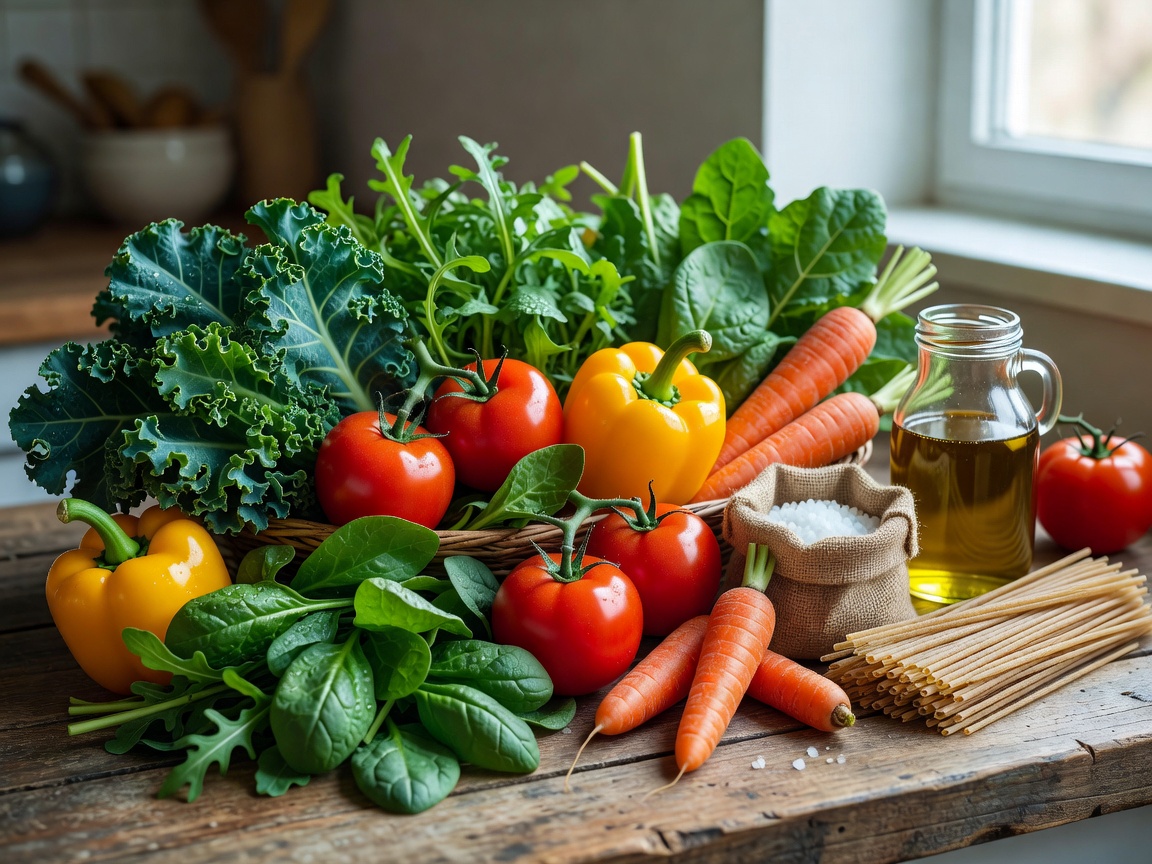
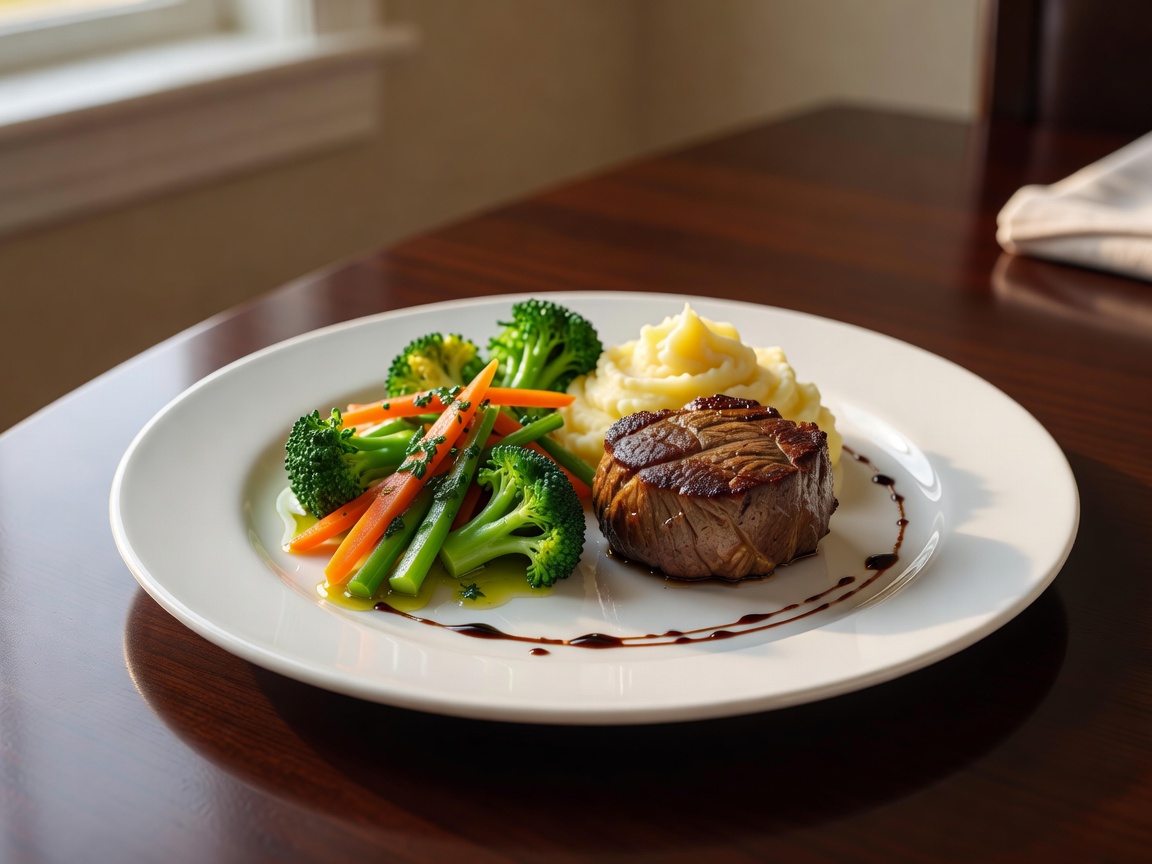
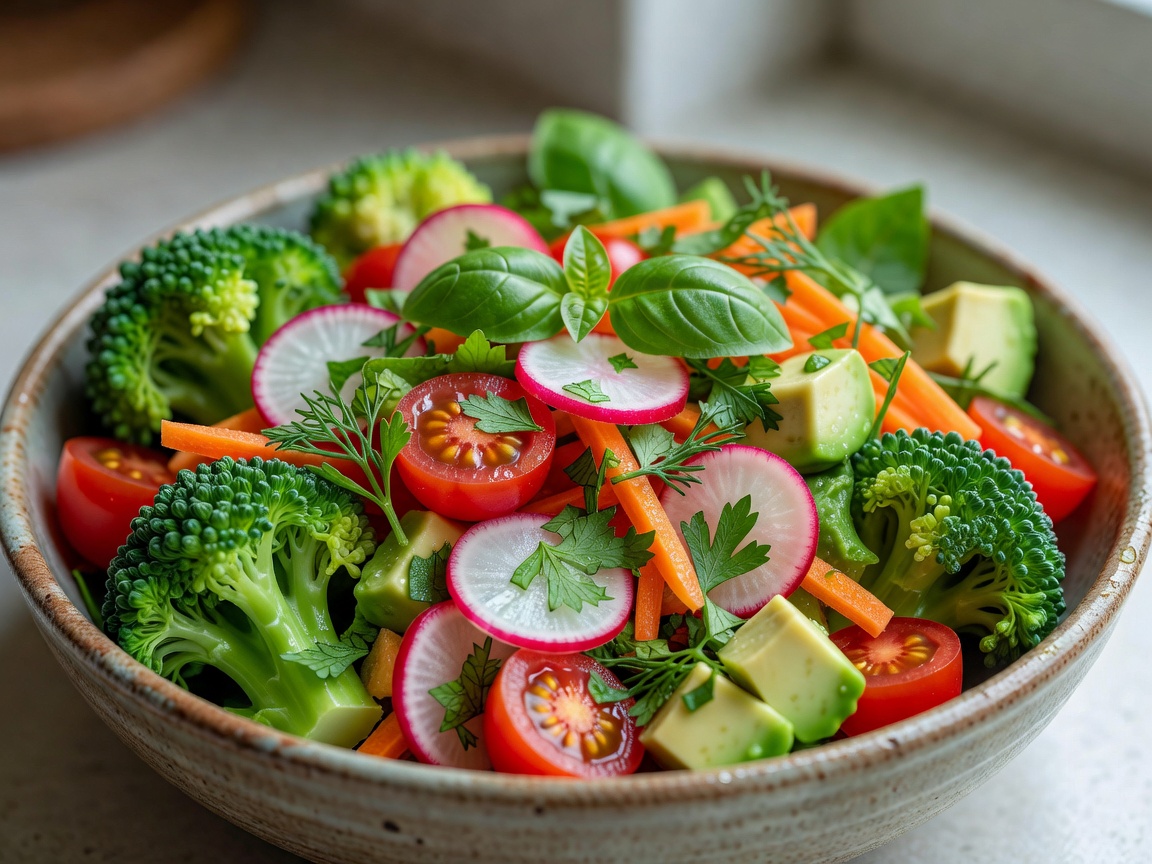
Look closely at the ingredients, everyday preparations and shared tables that make food history tangible.
The investigation index / 05 trails
Food history rarely travels in a straight line. Begin with the clue that catches your eye.
01 / Culinary memory
Explore foods that were once familiar in a place or household, then faded from view, changed shape or survived under another name.
02 / Ingredient file
Meet regionally rooted grains, ferments, herbs and preserved foods—and learn why a familiar pantry can look very different elsewhere.
03 / Origin inquiry
Follow the evidence when borders, migration and cultural memory complicate the search for a dish’s “first” home.
04 / Practice archive
Examine fermentation, drying, vessels and shared preparation as practical responses to seasons, fuel and storage.
05 / Evidence desk
Read recipes, objects, language and agricultural patterns together to build careful, qualified accounts of food’s past.
A careful way of looking
Food histories are rarely complete. Our aim is not to force a neat answer, but to show how an interpretation is built—and where its edges remain uncertain.
A source directly records a name, preparation or transaction. It tells us what that record says, not necessarily the whole story.
Several independent clues can point in a direction. Patterns are useful, but should not be mistaken for a single definitive origin.
Oral histories and household knowledge carry detail that may never have entered formal records. Their context matters.
Disputed claims, gaps and modern retellings remain visible in our accounts—not tidied away for dramatic effect.
Reading the edible record
Ingredients and habits are not just details on a plate. They can help us ask better questions about place, movement and memory.
What grows locally can reveal climate, agriculture and the paths by which foods travelled.
Cooking, drying, fermenting and preserving show how communities responded to seasons and resources.
Trade and migration help explain why related foods and techniques appear far apart.
Family food knowledge can persist even when written records are missing or incomplete.